October 8, 2026
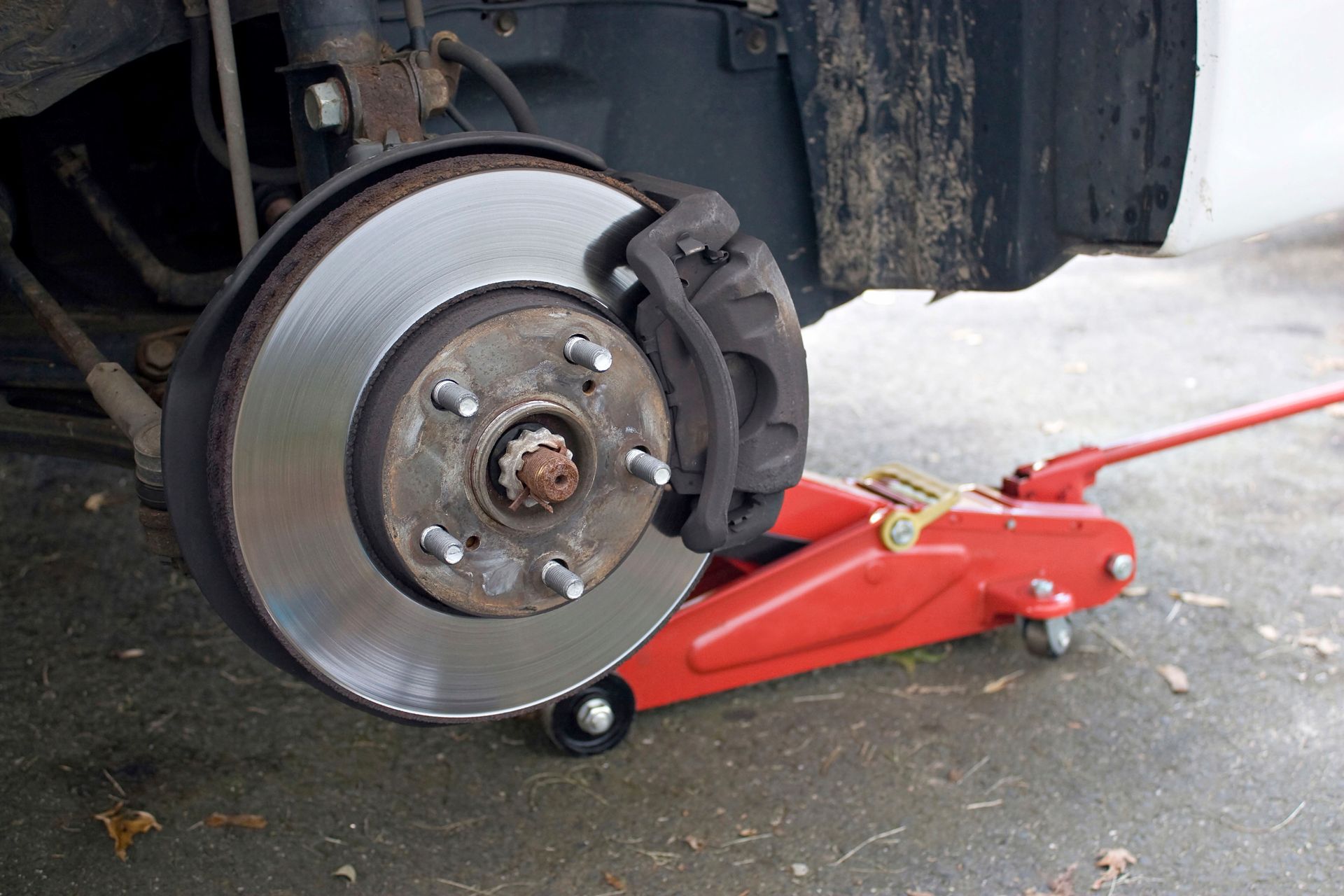
The appeal of hands-on automotive work is undeniably strong for many vehicle owners. Achieving a sense of personal accomplishment while saving money leads drivers to attempt complex repairs in home garages. Modern braking assemblies are intricate networks of mechanical engineering, electronic controls, and hydraulic systems demanding far more expertise than traditional mechanical fixes. While replacing wiper blades suits casual owners, disassembling your complex braking assembly compromises overall road safety.
Navigating complex vehicle systems requires a deep understanding of modern automotive standards. Skipping professional intervention often leads to improper torque settings, misaligned friction pads, or undiscovered hydraulic leaks that jeopardize motorists. Ensuring reliable stopping power demands specialized diagnostic tools, precision calibration, and verified mechanical procedures. Scheduling professional brake service remains the most dependable choice for long-term vehicle safety.
Understand Modern System Complexity
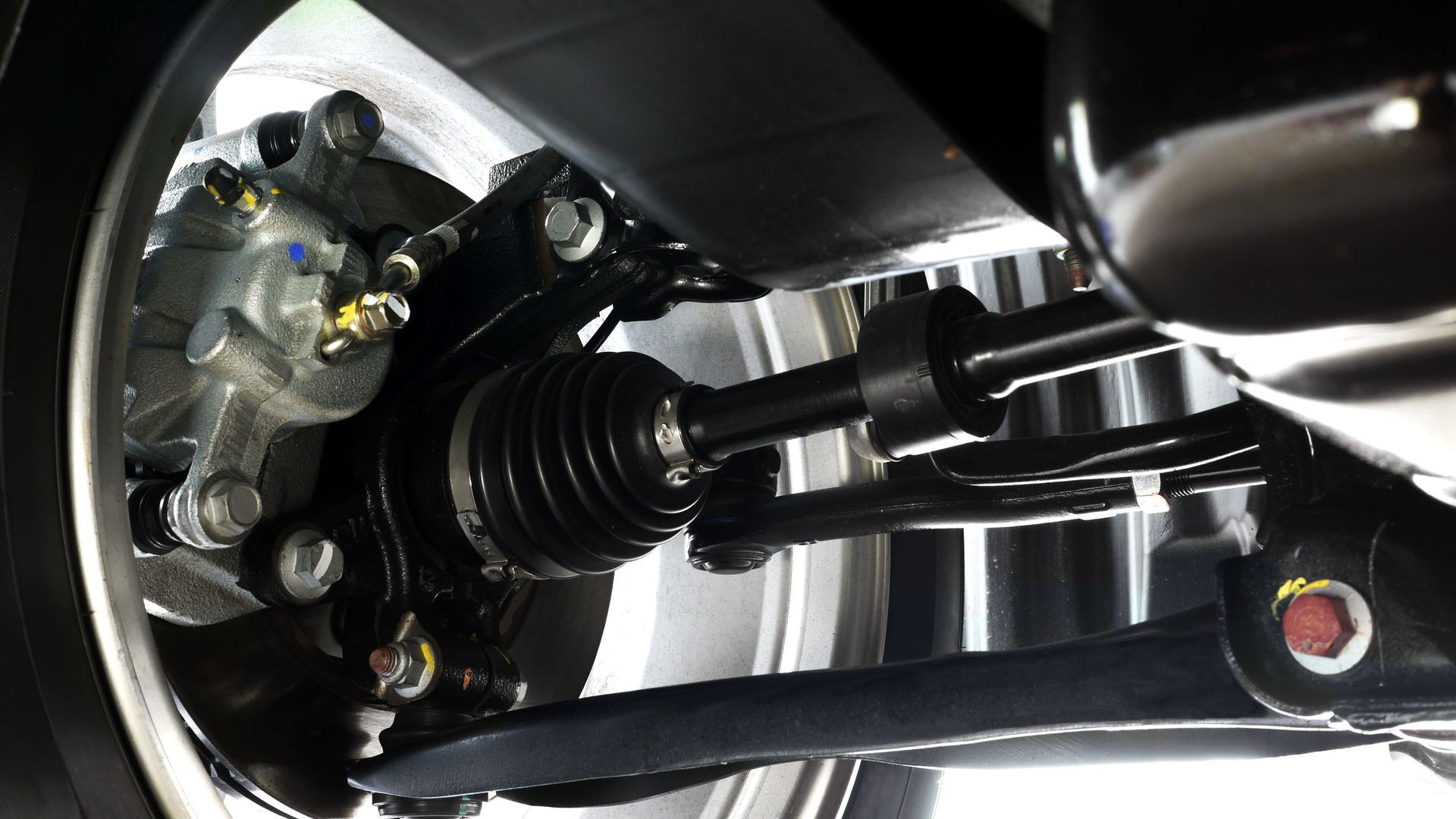
Automotive stopping technology has evolved rapidly over recent decades, moving from simple mechanical arrangements to intricate electronic systems. Early automobiles relied on mechanical drums, whereas contemporary vehicles utilize integrated Anti-lock Braking Systems and Electronic Brake-force Distribution networks. These advanced assemblies rely on real-time data transmission between speed sensors and central computer processors. Consequently, home installation errors disrupt sensor communication, degrading emergency stopping capabilities during critical driving maneuvers.
Every component within a modern assembly operates under extremely tight manufacturing tolerances. Brake calipers, rotors, master cylinders, and hardware fittings must align perfectly to ensure smooth force application. When home mechanics attempt component replacements without specialized measuring instruments, minor misalignments occur. According to Bankrate, drivers should have their vehicle brakes serviced every 10,000 to 20,000 miles to preserve safety and performance. Assembly errors lead to rapid pad wear and mechanical seizure.
Engineers design modern stopping components to meet exacting performance metrics across wide temperature ranges and harsh weather conditions. Proper maintenance requires careful evaluation of fluid viscosity, hardware tension, and electronic module calibration. Missing a critical detail compromises total system integrity. Professional technicians complete comprehensive brake service to verify that every component matches original factory specifications.
Recognize Critical Safety Hazards
Improper installation of critical stopping parts poses immediate hazards to drivers, passengers, and surrounding motorists. Loose mounting bolts, improperly seated friction pads, or incorrectly connected hydraulic hoses lead to sudden system failure. During sudden stopping situations, faulty components cause extended stopping distances or complete pedal loss. Mechanical vibrations from misaligned hardware accelerate wear across critical suspension and steering systems, compounding operational defects.
The severe consequences of stopping system failure extend far beyond minor vehicular damage. Operating a vehicle with compromised friction components drastically increases the risk of severe highway collisions and loss of vehicle control. Major accidents trigger massive financial liabilities, legal penalties, and long-term insurance premium increases. Failing to maintain mechanical standards through uncertified home procedures makes proving lack of negligence impossible. Routine brake service performed by certified technicians eliminates these hazards.
Navigating liability concerns requires documented proof of professional vehicle maintenance. Legal authorities and insurance providers routinely inspect vehicle service histories following major highway accidents to determine fault. When unapproved home repairs lead to mechanical failures, insurance companies can deny claims or void coverage entirely based on reckless practices. Entrusting critical repairs to certified facilities provides verifiable documentation, protecting vehicle owners against liability claims.
Calculate Hidden Repair Expenses
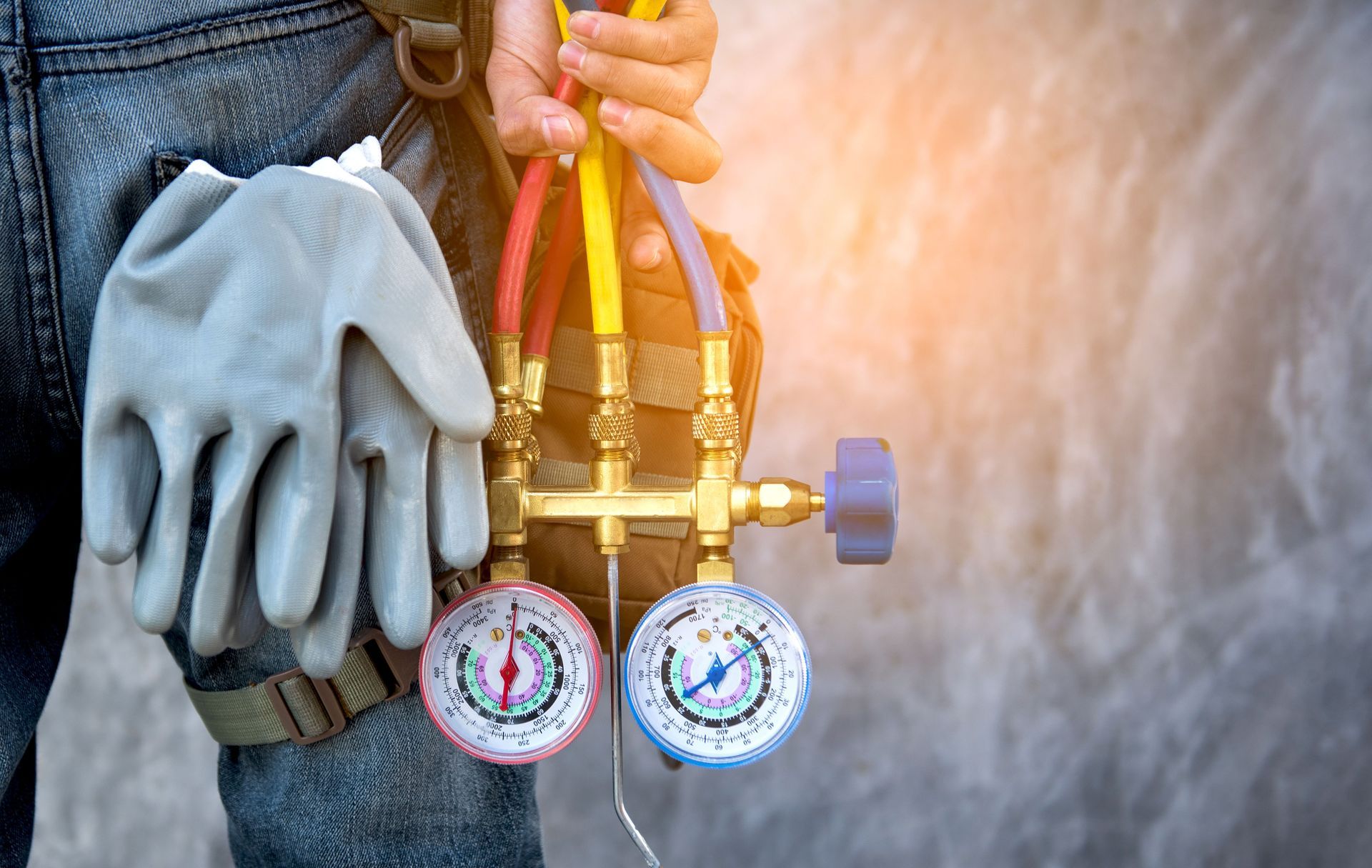
The perceived financial savings of doing home vehicle maintenance quickly disappear when factoring in specialized tool costs. Proper mechanical restoration demands specialized equipment, including precision torque wrenches, digital micrometers, caliper piston retractors, and hydraulic bleeding kits. Purchasing high-quality versions of these tools for occasional home use creates a substantial upfront expense that negates prospective savings. Standard garage tools lack the precision required for delicate electronic and hydraulic adjustments.
Component selection impacts overall cost and long-term vehicle safety. Professional repair facilities utilize high-grade Original Equipment Manufacturer parts designed specifically for your vehicle make and model. In contrast, home repairers frequently purchase cheaper aftermarket components to reduce immediate expenses. These lower-grade alternatives often feature inferior friction materials, poor heat dissipation, and inconsistent manufacturing tolerances. Investing in brake service ensures that your vehicle receives tested, high-quality components.
Mistakes made during home installations cause extensive secondary damage to expensive vehicle assemblies. Over-tightening bleeder screws can crack aluminum calipers, while improper pad placement ruins brand-new rotors within days. Troubleshooting unforeseen problems consumes valuable weekend hours, leaving vehicles inoperable for extended periods. Fixing self-induced mechanical errors eventually requires towing the vehicle to a professional facility, resulting in expenses exceeding professional service costs.
Acknowledge Technical Expertise Limitations
Understanding modern vehicle engineering demands rigorous technical education, diagnostic machinery, and practical field experience. Modern stopping assemblies interact directly with stability control systems, traction management software, and automatic emergency braking features. Casual mechanics lack the specialized computer scanners needed to test hydraulic valves and calibrate control modules. Without formal technical training, home repairs introduce unseen operational glitches that jeopardize automatic safety interventions when you need them most.
Professional technicians complete extensive certification programs and apprenticeships to master vehicle diagnostic procedures. Industry credentials validate a technician's ability to locate hidden defects, evaluate hydraulic pressure balances, and execute precise repairs according to factory standards. Conversely, home mechanics rely on generalized instructional videos that omit critical safety steps and vehicle-specific nuances. Expert brake service delivered by trained professionals guarantees care grounded in industry best practices.
Integrating replacement components into modern vehicles requires computerized calibration procedures rather than basic manual fitting. Replacing dynamic components like electronic parking brake actuators requires specialized software retraction modes to prevent damaging internal gear drives. Casual repairers without diagnostic equipment often resort to expensive guess-and-check component replacements, wasting money while leaving underlying mechanical defects completely unaddressed.
Protect Essential Vehicle Warranties
Performing unauthorized home maintenance on critical safety systems can immediately invalidate manufacturer vehicle warranties. Auto manufacturers require strict adherence to approved maintenance schedules and certified repair standards to uphold warranty obligations. When uncertified individuals disassemble complex braking assemblies, manufacturers reserve the right to void coverage for related mechanical failures. Preserving factory warranty coverage requires clear documentation of professional maintenance performed by qualified specialists.
Professional auto centers provide comprehensive warranties on both labor and installed replacement parts. If a component fails prematurely or requires adjustment after a professional repair, the facility remedies the issue at no additional cost to the owner. This direct accountability protects vehicle owners against unexpected future repair bills. In stark contrast, home repairs come with no guarantees, placing financial burdens onto the vehicle owner. Qualifying brake service secures your investment through formal guarantees.
Choosing long-term mechanical reliability over temporary cost savings protects overall vehicle value. Professional maintenance records enhance resale appeal, demonstrating to prospective buyers that critical safety systems received expert attention. Consistent professional care prevents minor wear from escalating into severe mechanical failures that degrade driving dynamics over time. Safeguarding your vehicle through certified maintenance remains the smartest investment in driver security.
Maintaining vehicle stopping systems demands precision, specialized tooling, and deep technical knowledge. While home maintenance projects offer personal satisfaction for simple tasks, tackling critical stopping assemblies introduces unacceptable safety risks, potential warranty forfeitures, and expensive secondary damage. Entrusting these vital safety features to certified technicians ensures that every component functions according to strict manufacturer standards. Selecting professional brake service remains the most responsible choice for protecting your vehicle and everyone sharing the road.
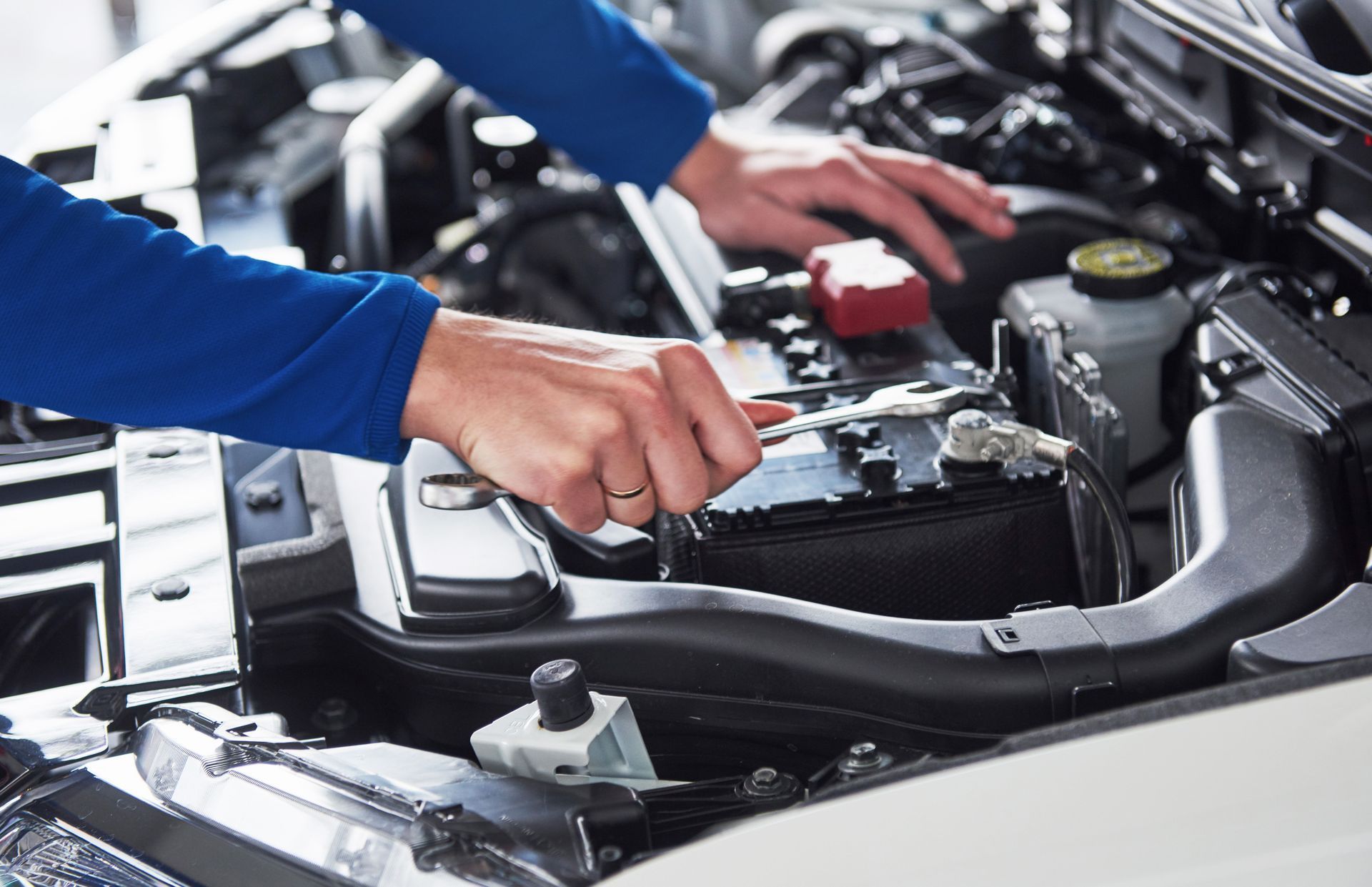
Your safety on the road depends on reliable stopping power that performs flawlessly under demanding conditions. Rather than taking unnecessary risks in your home garage, rely on certified experts who possess the proper diagnostic equipment and mechanical expertise. Contact us at McFarland Automotive today to schedule your next appointment and let our certified team keep your vehicle running safely on the road.