November 19, 2026
Keeping your vehicle in good condition requires more than addressing problems after they appear. Regular maintenance helps identify developing issues, protect important components, and keep your car operating as expected. Everyday driving places stress on systems such as the engine, brakes, tires, suspension, and transmission. Over time, normal wear can affect performance and lead to unexpected breakdowns if warning signs are ignored. Scheduling routine inspections and addressing minor concerns early can help reduce the likelihood of more extensive repairs. Preventive maintenance also gives drivers a better understanding of their vehicle's condition and upcoming service needs. When combined with responsible driving habits, consistent care can support reliability and long-term vehicle performance. Understanding why maintenance matters can help you make informed decisions about your car and avoid unnecessary complications.
Identifying Problems Before They Become Serious
One of the main benefits of preventive maintenance is the opportunity to recognize potential problems before they become more expensive or disruptive. Small issues, such as unusual noises, fluid leaks, or warning lights, may indicate that a component needs attention. Ignoring these signs can allow damage to spread to other parts of the vehicle. Scheduling regular inspections helps technicians identify concerns that may not be obvious during everyday driving. Professional auto repairs can address developing problems before they interfere with the vehicle's operation. Drivers should also pay attention to changes in acceleration, steering, braking, and engine performance. Reporting these symptoms during a service appointment gives technicians useful information when evaluating the vehicle. Taking action early can help prevent minor maintenance concerns from becoming larger mechanical problems.
Protecting Engine Performance and Reliability
The engine is one of the most important systems in any vehicle, and its condition directly affects overall performance. Routine oil changes help maintain lubrication and reduce friction between moving components. Filters also need attention because they help prevent dirt and other contaminants from entering important systems. During scheduled service, technicians may inspect belts, hoses, fluid levels, and other components that contribute to reliable operation. Keeping up with recommended auto repairs and maintenance can help drivers address wear before it affects engine performance. The manufacturer's maintenance schedule provides useful guidance about service intervals and recommended inspections. Drivers should also pay attention to warning lights, overheating, rough idling, or unusual engine sounds. Consistent attention to these details can help support dependable operation over time.
Maintaining Safe and Responsive Braking Systems
A properly functioning braking system is essential for controlling a vehicle and responding to changing road conditions. Brake pads, rotors, calipers, and brake fluid all contribute to stopping performance. These components experience wear during normal use, although the rate depends on driving habits, road conditions, and vehicle type. According to Cars.com, brakes may last 70,000 miles or longer when a vehicle is driven primarily on highways because the brakes are used less frequently. However, mileage alone should never determine whether brake components need replacement. Squealing sounds, grinding, vibrations, or changes in pedal response should be evaluated promptly. Routine inspections can help identify worn components and determine whether service is necessary. Keeping the braking system in good condition supports safer driving and helps drivers respond more confidently when stopping is required.
Extending Tire Life Through Regular Inspections
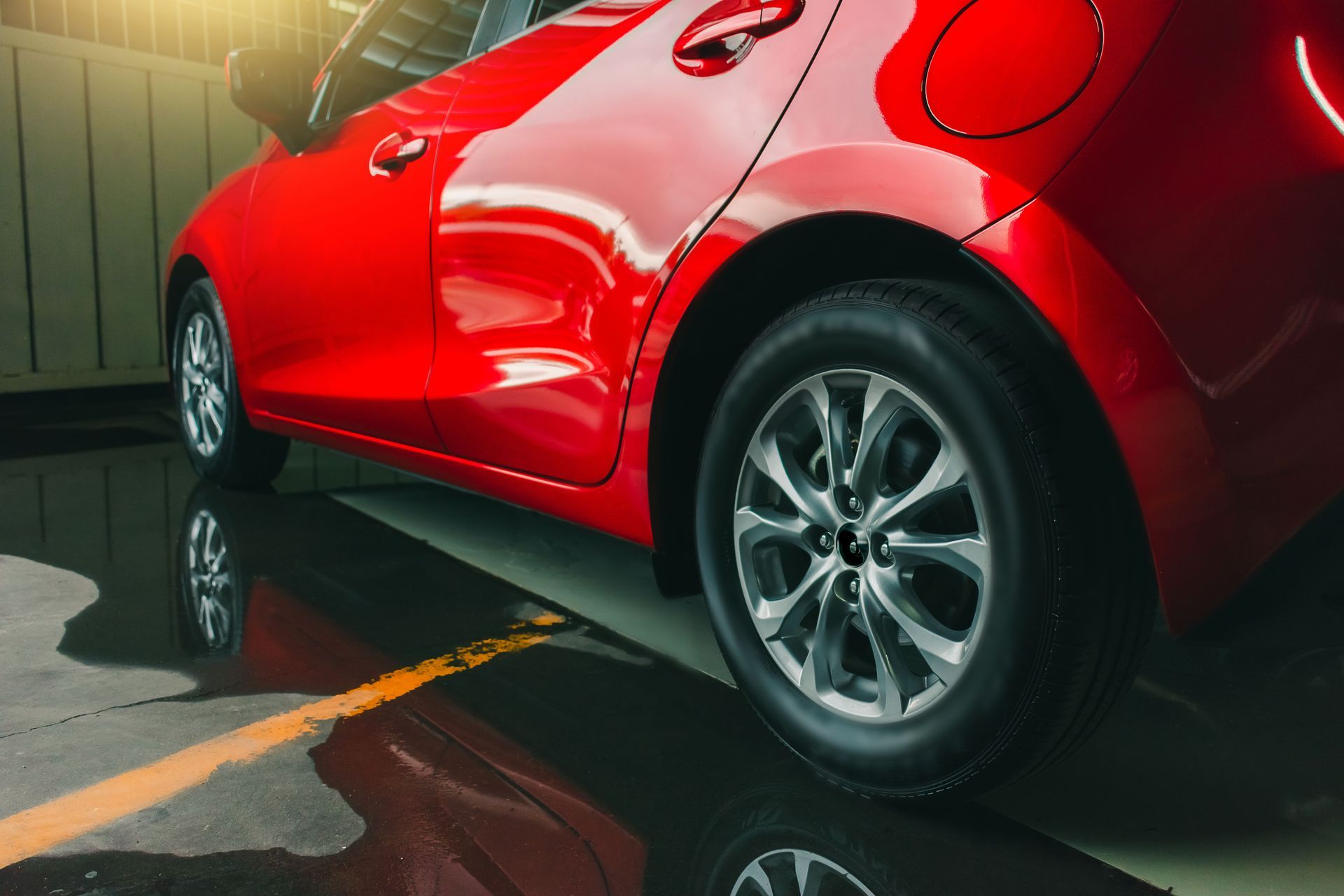
Tires are the only parts of a vehicle that make direct contact with the road, making their condition especially important. Uneven tread wear, low pressure, and visible damage can affect handling, traction, and braking performance. Checking tire pressure regularly helps ensure that tires remain within the manufacturer's recommended range. Tire rotations also help distribute wear more evenly across all four tires. When drivers schedule auto repairs or routine maintenance, they should ask whether tire condition and alignment have been evaluated. Proper wheel alignment can help prevent uneven wear and improve steering response. Drivers should also monitor tread depth and replace tires when they no longer provide adequate traction. Regular tire care supports vehicle stability while helping homeowners avoid premature replacement costs.
Improving Fuel Efficiency and Everyday Performance
Preventive maintenance can contribute to better fuel efficiency by helping important vehicle systems operate as intended. Underinflated tires, clogged filters, worn spark plugs, and neglected engine components may affect how efficiently a vehicle uses fuel. Routine inspections help identify conditions that could reduce performance or increase operating costs. Addressing these concerns through appropriate auto repairs can help restore normal vehicle operation. Drivers can also support efficiency by following recommended oil change intervals and avoiding unnecessary weight in the vehicle. Smooth acceleration and consistent driving habits may further reduce unnecessary strain on mechanical components. Fuel economy can vary depending on traffic, weather, vehicle age, and driving conditions, so maintenance is only one part of the equation. Still, keeping the vehicle properly serviced can help it perform more consistently.
Preserving Important Vehicle Components
A vehicle contains interconnected systems that depend on one another to function properly. Problems with one component can sometimes place additional strain on other parts. For example, neglected cooling system issues may contribute to overheating, while worn suspension components can affect tire wear and handling. Regular inspections allow technicians to evaluate these systems and identify developing concerns. Addressing necessary auto repairs at the appropriate time can help prevent avoidable damage from spreading. Drivers should follow recommendations for transmission fluid, coolant, filters, and other maintenance items specified by the manufacturer. It is also important to keep service records so that previous work and upcoming maintenance needs are easy to track. A consistent maintenance history can make it easier to understand the vehicle's condition and plan future service.
Reducing the Risk of Unexpected Breakdowns
Few situations are more inconvenient than experiencing a vehicle breakdown during a commute or long-distance trip. While maintenance cannot eliminate every possibility of mechanical failure, it can help reduce the risk of problems caused by neglected components. Battery condition, fluid levels, belts, hoses, tires, and electrical connections should all receive attention during appropriate inspections. A technician can identify signs of deterioration and recommend service before a component fails. Timely auto repairs may also help drivers avoid being stranded because of issues that could have been addressed earlier. Seasonal inspections are particularly useful before periods of extreme heat, cold, or increased travel. Drivers should also keep an eye on dashboard warnings and avoid postponing service when something feels or sounds unusual. Taking preventive steps can make daily transportation more predictable and convenient.
Following a Consistent Maintenance Schedule
Every vehicle has different maintenance requirements based on its manufacturer, model, age, mileage, and driving conditions. Following the owner's manual is one of the best ways to understand when inspections and routine services are recommended. Some vehicles require more frequent attention when used for towing, short trips, heavy traffic, or other demanding conditions. Professional technicians can help interpret maintenance recommendations and identify services that may be appropriate for the vehicle's current condition. Scheduling auto repairs and routine appointments before problems become urgent can make vehicle care easier to manage. Keeping a record of completed services also helps prevent important maintenance tasks from being overlooked. Drivers should ask questions when a technician recommends additional work so they understand the reason and urgency. A consistent schedule supports better planning and helps keep important systems in working order.
Preventive maintenance plays an important role in vehicle safety, reliability, and long-term performance. Regular inspections, timely service, and attention to warning signs can help drivers avoid unnecessary complications. Taking care of your vehicle also provides an opportunity to identify wear before it affects essential systems. McFarland Automotive can help drivers address maintenance needs and keep their vehicles operating properly. Contact us to discuss your vehicle's condition, schedule an inspection, and take the next step toward dependable everyday driving.