October 14, 2026
Modern vehicles rely on complex systems that work together to provide safe, reliable, and efficient performance. When something goes wrong, identifying the underlying cause is not always straightforward. Unusual noises, warning lights, reduced fuel efficiency, or changes in handling can indicate several possible issues. Professional diagnostics help narrow down these possibilities and give technicians a clearer understanding of what needs attention. Rather than relying on guesswork, vehicle owners can use diagnostic services to make informed maintenance and repair decisions.
According to a Gallup poll, 83% of U.S. adults drive their cars at least several times a week, highlighting how frequently people depend on their vehicles for everyday transportation. With regular use comes the need to recognize potential problems before they interfere with reliability or safety. In this article, we explore how professional diagnostics identify vehicle problems, the technology behind the process, and the benefits of accurate assessments.
Understanding How Vehicle Diagnostic Systems Work
Modern vehicles contain electronic control units (ECUs) that monitor and manage various components, including the engine, transmission, emissions equipment, and braking systems. Sensors throughout the vehicle collect information about operating conditions and send it to these control units. When a system detects an irregular reading, it may store a diagnostic trouble code that helps technicians investigate the issue.
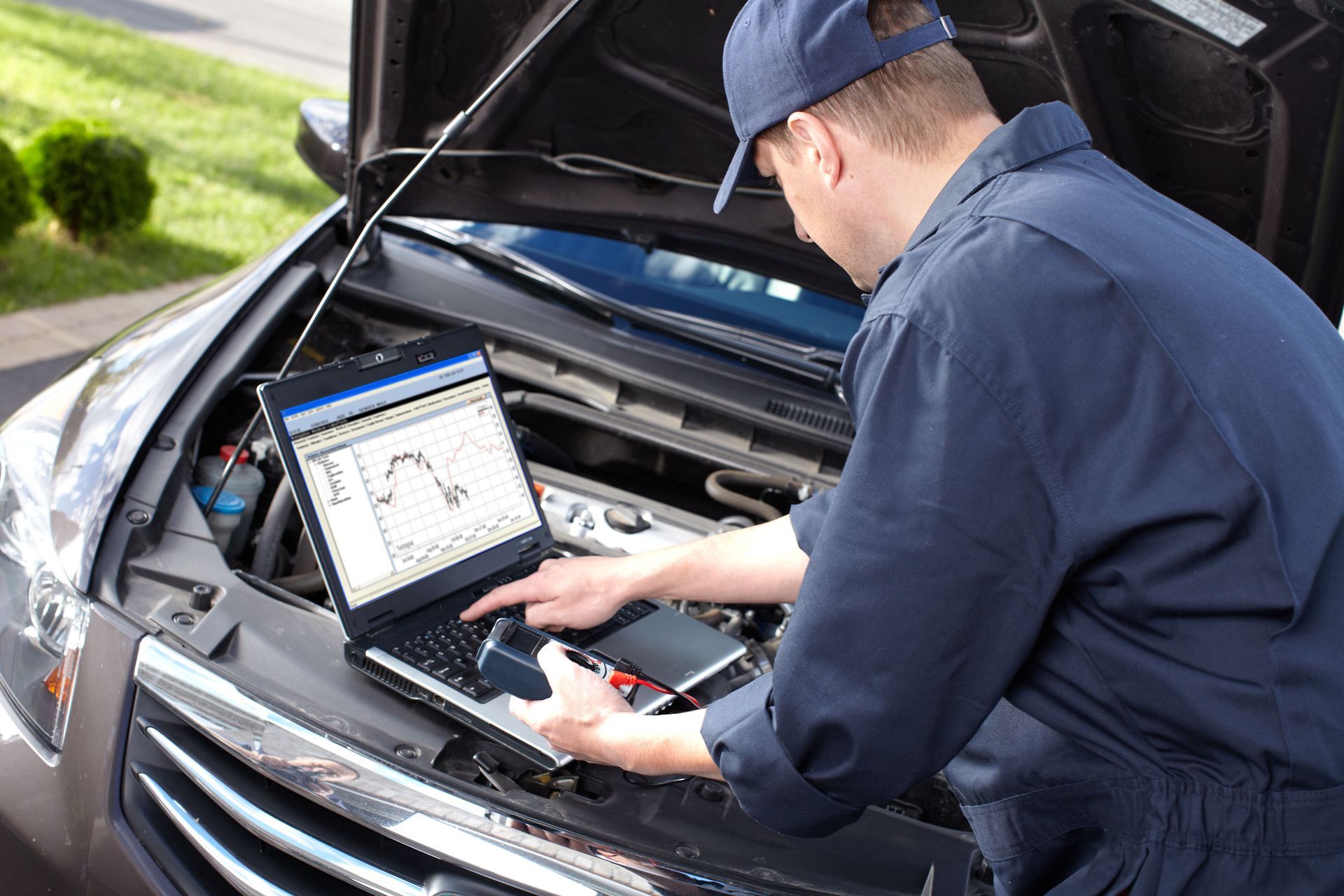
During a professional diagnostic assessment, technicians connect specialized scanning equipment to the vehicle's onboard diagnostic (OBD) port. This allows them to retrieve stored codes, examine sensor readings, and review other available system information. These details provide a starting point for identifying potential malfunctions.
However, a diagnostic code does not automatically reveal which component needs replacement. It indicates that a system has detected a condition requiring further investigation. Experienced technicians interpret the information alongside physical inspections and additional testing to determine the actual source of the problem.
Identifying Problems Before They Become Serious
Some vehicle issues develop gradually without producing obvious symptoms. A sensor may begin providing inconsistent readings, an electrical connection may weaken, or a mechanical component may experience early wear. Professional diagnostics can help identify irregularities that might otherwise go unnoticed.
For example, a vehicle experiencing occasional engine hesitation may have a problem involving its ignition system, fuel delivery, or air intake. Diagnostic testing helps technicians evaluate these systems and determine which areas require closer attention. Catching these problems early may prevent additional strain on related components.
Routine diagnostic assessments can also be useful when a vehicle's check engine light appears. Even if the car seems to operate normally, the warning may indicate an emissions-related concern or another developing issue. Addressing the warning promptly allows technicians to assess its significance and recommend appropriate next steps.
Using Advanced Technology to Pinpoint Mechanical Issues
Professional diagnostic equipment provides access to information that is difficult to obtain through visual inspections alone. Depending on the vehicle and the tools available, technicians can monitor live data, compare sensor readings, and perform specialized tests to evaluate individual systems.
For instance, an engine performance problem may involve incorrect air-fuel ratios, ignition timing irregularities, or faulty sensor signals. By examining live data, technicians can observe how different components behave while the engine is running. This information helps distinguish between symptoms that appear similar but have different underlying causes.
Diagnostic technology can also support investigations involving transmissions, anti-lock braking systems, and electronic stability controls. These systems have specialized components and control modules that require appropriate equipment and technical knowledge to evaluate.
Combining technology with hands-on expertise makes auto repair more precise. Instead of replacing parts based on assumptions, technicians can use evidence from multiple tests to identify the most likely source of a malfunction.
Evaluating Electrical and Electronic System Failures
Electrical problems can be particularly challenging because they do not always produce consistent symptoms. A vehicle may experience intermittent starting difficulties, flickering dashboard lights, malfunctioning accessories, or unexplained battery drainage. These concerns can stem from several possible causes, including damaged wiring, poor connections, failing sensors, or charging system problems.
Professional diagnostics help technicians examine electrical system performance and narrow down potential faults. Depending on the issue, they may use multimeters, circuit testers, wiring diagrams, and scan tools to measure voltage, check continuity, and evaluate communication between electronic modules.
For example, a vehicle that struggles to start may have a weak battery, a faulty starter, or an issue with its charging system. Testing these components individually helps establish whether the problem involves one part or a combination of electrical faults.
Accurate electrical assessments are especially important in newer vehicles, which rely on interconnected electronic systems. Identifying the source of a malfunction can help prevent unnecessary part replacements and reduce the risk of overlooking related issues.
Improving Repair Accuracy and Reducing Unnecessary Costs
One of the most practical advantages of professional diagnostics is the ability to make better-informed repair decisions. When a vehicle exhibits unusual behavior, several components may appear responsible. Without proper testing, replacing the wrong part can lead to additional expenses while leaving the original problem unresolved.
Diagnostic assessments help technicians develop a clearer repair plan by identifying which systems require further attention. They can explain their findings, discuss recommended repairs, and prioritize issues based on their impact on vehicle operation and safety.
This approach can also make auto repair more efficient. When technicians have reliable information about the problem, they can focus their efforts on the relevant components rather than spending time investigating unrelated systems.
Although diagnostic services have an upfront cost, identifying the underlying issue accurately may help reduce unnecessary repairs and prevent certain problems from worsening. Vehicle owners also gain a better understanding of their cars, making it easier to plan maintenance and budget for future service needs.
Supporting Preventive Maintenance and Long-Term Reliability
Professional diagnostics are valuable not only when a vehicle develops noticeable problems but also as part of a broader maintenance strategy. Periodic assessments can help identify developing concerns and provide additional insight into vehicle condition.
For example, diagnostic information may reveal irregular sensor readings, recurring fault codes, or performance changes that deserve further inspection. When combined with routine oil changes, fluid checks, tire inspections, and manufacturer-recommended maintenance, these findings can contribute to more consistent vehicle care.
Preventive attention is particularly useful for drivers who rely on their vehicles for daily commutes, family transportation, or frequent travel. Recognizing potential concerns early can help reduce unexpected disruptions and support dependable performance.
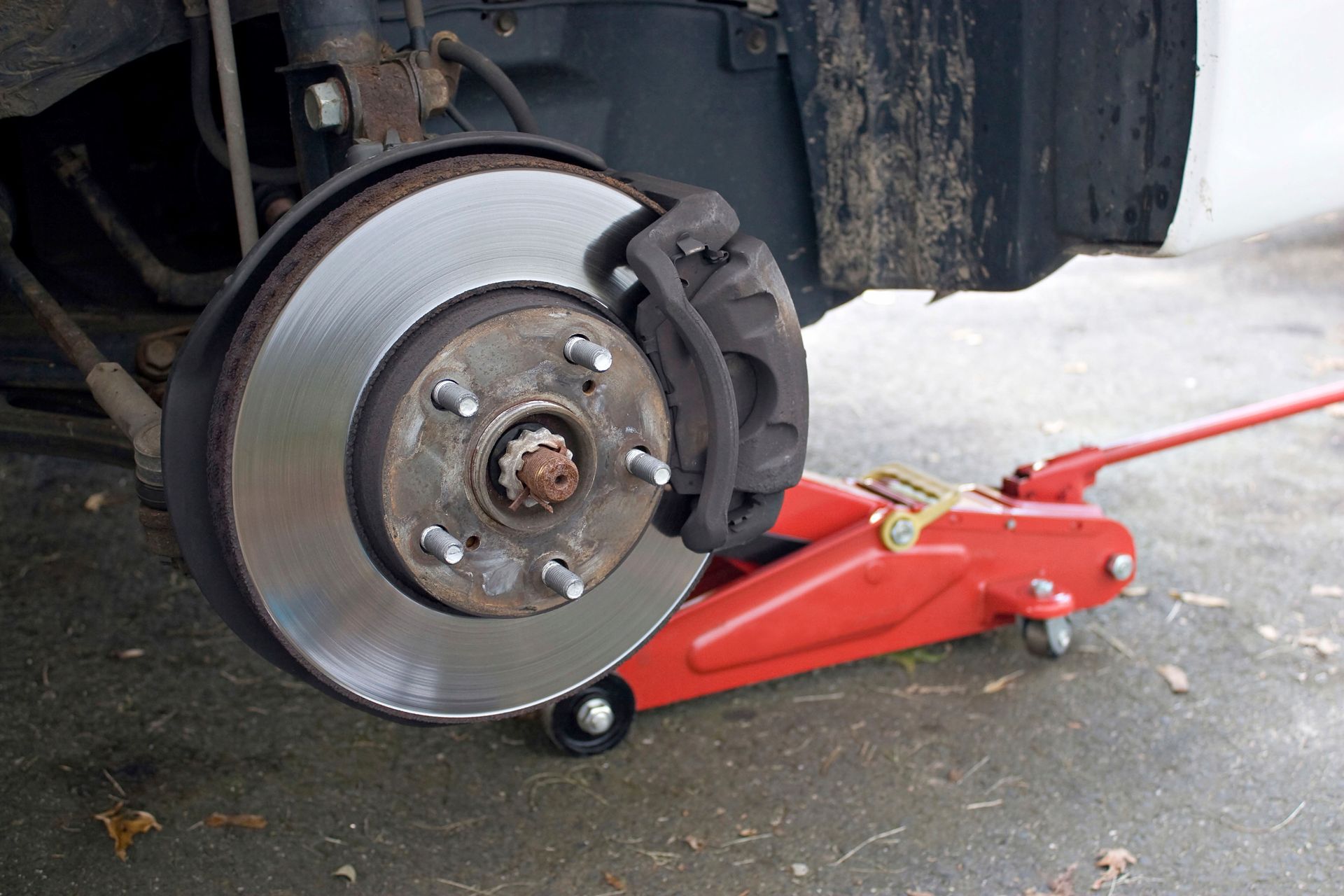
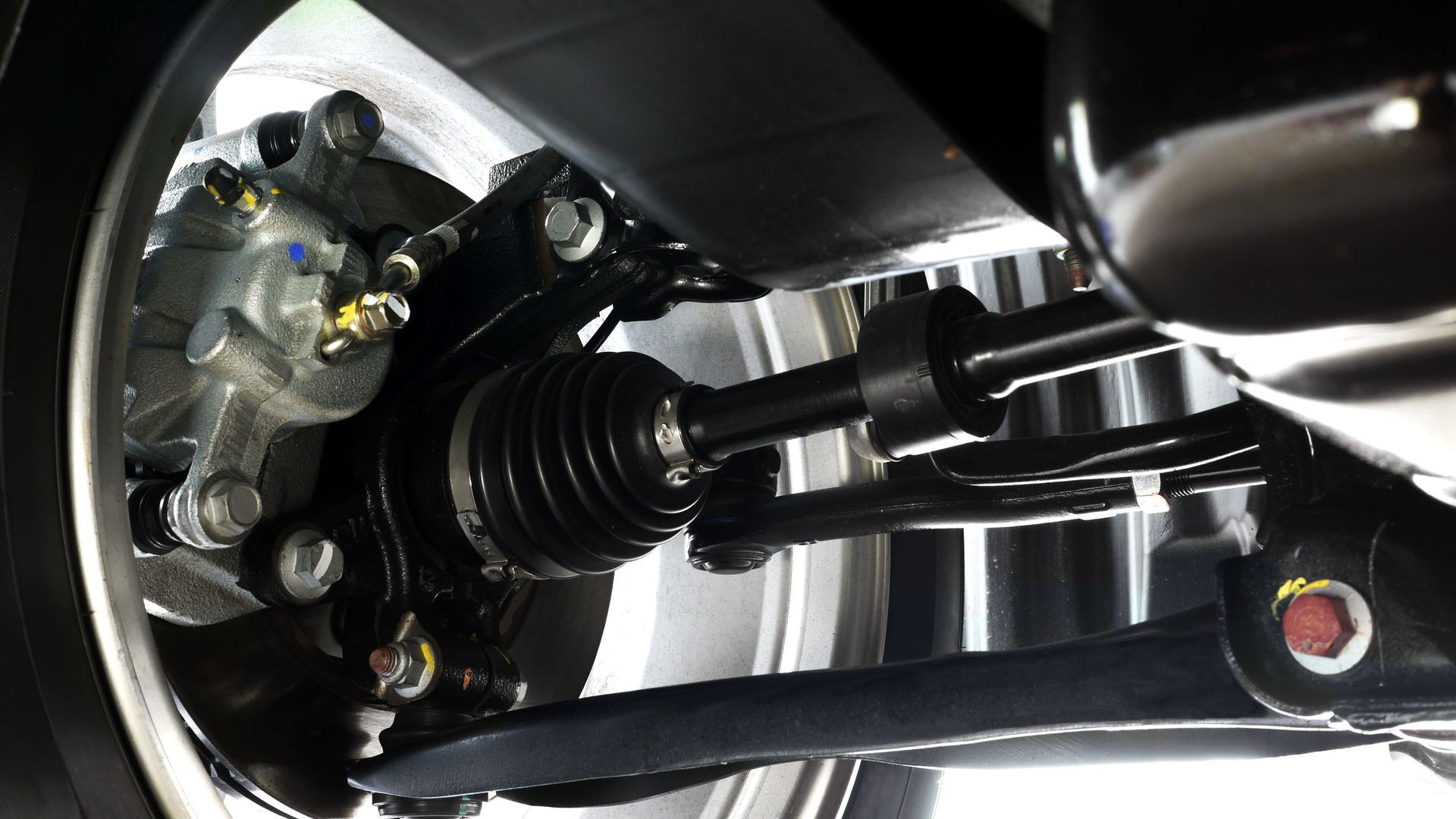
However, diagnostics do not replace regular mechanical inspections or scheduled maintenance. Some problems, such as worn suspension components or physical damage, may not trigger electronic warning codes. A comprehensive approach considers both digital information and the vehicle's physical condition.
Professional diagnostics play an important role in identifying vehicle problems by combining electronic data, specialized testing, and mechanical expertise. From investigating engine performance concerns to evaluating electrical failures, diagnostic assessments help technicians locate underlying issues, recommend appropriate repairs, and support long-term vehicle reliability.
For drivers who depend on their cars regularly, recognizing warning signs and addressing concerns promptly can make vehicle ownership more predictable. Accurate diagnostics also help reduce guesswork, improve repair efficiency, and provide greater confidence in maintenance decisions.
If your vehicle is showing warning signs or has developed unusual performance issues, contact McFarland Automotive to schedule a diagnostic assessment and get the information you need to keep your car running reliably.