October 1, 2026
Your vehicle's braking system plays a critical role every time you slow down, stop at an intersection, or respond to an unexpected hazard. Although brake components are designed to withstand repeated use, they do not last indefinitely. Friction, heat, moisture, driving habits, road conditions, and normal aging can gradually affect the parts responsible for bringing your vehicle to a controlled stop.
Understanding how brakes deteriorate over time can help you recognize developing problems before they interfere with stopping performance. Regular inspections and timely brake service can also help identify worn components before a minor issue develops into a more extensive repair. Knowing what happens to different parts of the braking system makes it easier to recognize when professional attention may be necessary. It also helps vehicle owners understand why seemingly minor changes in braking behavior should not be ignored, especially when those changes become more frequent or noticeable during everyday driving.
How Friction Gradually Wears Down Brake Components
The Role of Brake Pads in Stopping Your Vehicle
Brake pads are among the most frequently replaced components in a vehicle's braking system because they are designed to wear down through normal use. When you press the brake pedal, the calipers push the pads against the rotors. The resulting friction slows the wheels and ultimately brings the vehicle to a stop. Each time this happens, a small amount of material is removed from the pads.
Brake pad lifespan varies depending on several factors, including driving habits, vehicle type, traffic patterns, and road conditions. Frequent stop-and-go traffic, sudden braking, heavy loads, and mountainous roads can increase wear. Regular brake service helps technicians measure remaining pad material and determine when replacement is appropriate. Uneven pad wear can also provide useful information about other problems, such as caliper issues or problems affecting how pressure is distributed across the braking system.
How Rotors Change With Repeated Braking
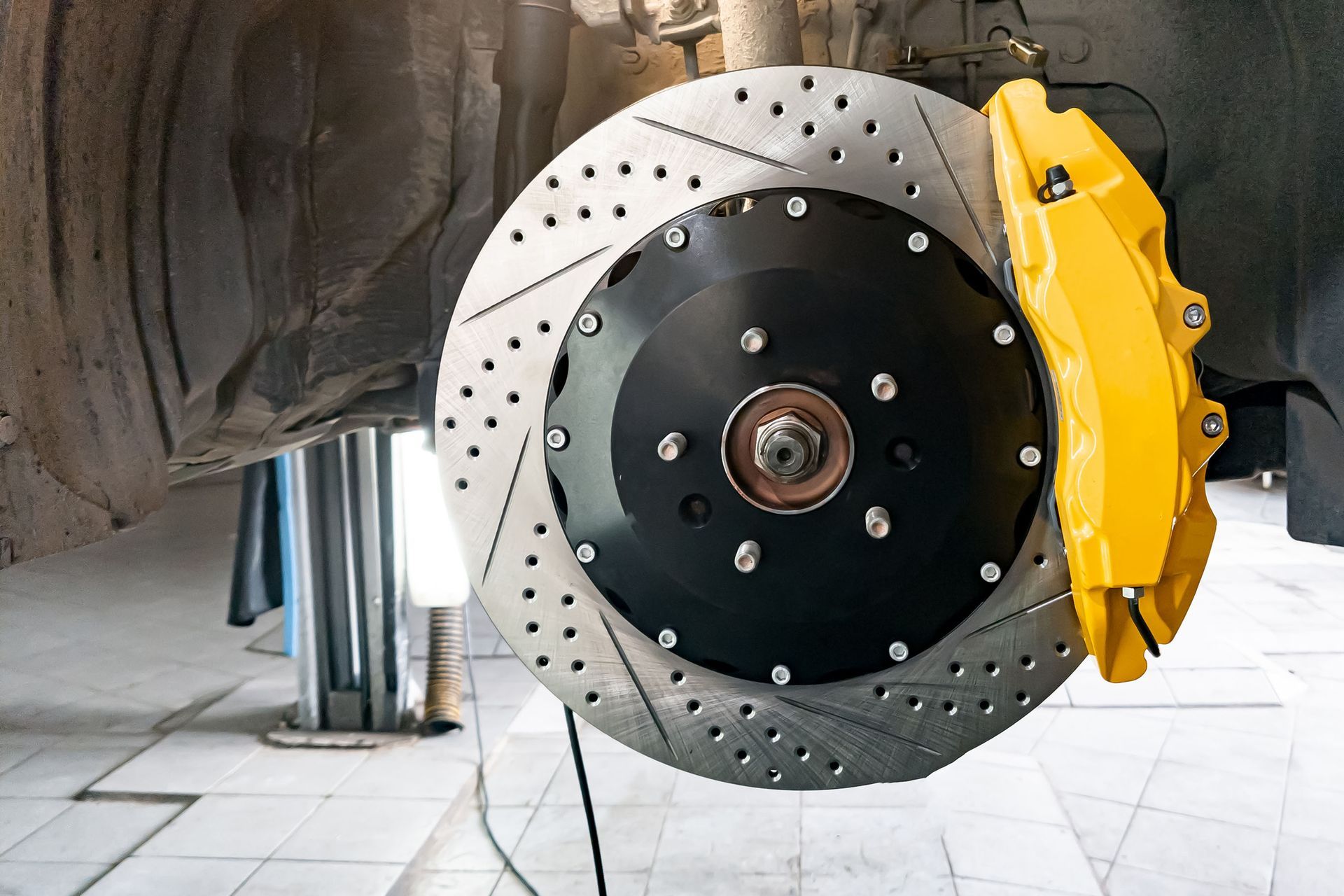
Rotors work directly with brake pads to create the friction needed to slow your vehicle. Every time the pads contact the rotor, friction generates heat. The rotors must absorb and dissipate this heat repeatedly, which can gradually change their surfaces. Normal wear may produce grooves or other surface irregularities, while excessive heat can contribute to uneven wear or distortion.
Rotor deterioration can also be connected to neglected brake pads. If friction material becomes excessively thin, the resulting contact can damage the rotor surface and potentially increase repair costs. Depending on the rotor's condition and remaining thickness, resurfacing may be possible. Severely worn or damaged rotors may need replacement instead. A thorough brake service allows technicians to evaluate the pads and rotors together rather than treating each component independently. Inspecting both parts together can also reveal whether wear is occurring evenly or whether another mechanical issue is contributing to premature deterioration.
How Heat, Moisture, and Driving Conditions Affect Brakes
The Impact of Heat on Brake Performance
Heat is an unavoidable part of the braking process, but excessive heat can accelerate deterioration. Repeated braking gives the system less opportunity to cool, particularly when driving through heavy traffic, descending steep roads, or repeatedly slowing from higher speeds. Over time, repeated exposure to high temperatures can place additional stress on friction materials and other braking components.
Driving conditions can therefore have a significant effect on how quickly brakes wear. A vehicle that frequently travels through mountainous terrain may experience different brake demands than one primarily driven on relatively flat roads with light traffic. Carrying heavy cargo can also increase the amount of force required to slow the vehicle. Scheduling brake service can help identify excessive or uneven wear before it begins to affect normal stopping performance. Drivers can also reduce unnecessary brake stress by maintaining appropriate following distances and allowing the vehicle to slow gradually when traffic and road conditions permit.
Why Brake Fluid Also Deteriorates
Brake fluid is another essential part of the braking system that changes with age. The hydraulic fluid transfers pressure from the brake pedal through the system to the components responsible for applying the brakes. Over time, brake fluid can absorb moisture from its surroundings. Moisture contamination can reduce fluid performance and contribute to internal corrosion in components such as brake lines and the master cylinder.
Old fluid may also contribute to changes in pedal feel and hydraulic performance. During brake service, technicians can inspect the condition of the fluid and determine whether a flush is appropriate. Replacing deteriorated fluid can help maintain proper hydraulic operation while reducing the potential for moisture-related corrosion. Because brake fluid is contained within the system, its condition may not be obvious during everyday driving without a professional inspection. Keeping fluid in appropriate condition also helps protect other hydraulic components from unnecessary deterioration and supports consistent brake pedal response.
How to Recognize When Brake Deterioration Requires Attention
Changes in Brake Feel and Performance
Brake deterioration does not always happen suddenly. Drivers may notice subtle changes in braking performance before a component reaches the end of its useful life. A soft or spongy pedal, longer stopping distances, squealing or grinding sounds, or vibrations during braking can indicate that the system needs attention. A burning smell after repeated braking may also warrant an inspection.
According to Universal Technical Institute, signs associated with worn brake components can include steering wheel vibrations, difficulty pressing the brake pedal, unusual noises, the vehicle pulling to one side, and an illuminated brake warning light. These symptoms can have multiple possible causes, so they should not automatically be attributed to one specific component. Prompt brake service gives technicians an opportunity to identify the source of the problem and determine which repairs are necessary. Addressing these warning signs early can also help prevent continued use of a component that may be placing additional stress on other parts of the braking system.
Why Regular Brake Inspections Matter
Waiting until a vehicle develops severe braking problems can allow wear to progress and potentially affect other components. For example, replacing brake pads before they become excessively worn can help protect the rotors from avoidable damage. Similarly, addressing contaminated brake fluid can help limit moisture-related deterioration within the hydraulic system. Regular inspections provide an opportunity to identify these conditions while repairs may still be relatively straightforward.
A complete inspection can cover brake pads, rotors, calipers, brake lines, fluid, and other related components. Technicians can look for uneven wear, leaks, corrosion, damaged parts, and other conditions that could affect stopping performance. ABS components can also require diagnostic attention when warning lights or system-related symptoms appear. Addressing individual issues as they arise helps preserve the overall function of the braking system. A detailed inspection can also help determine whether a component needs immediate replacement or whether it can remain in service with continued monitoring.
Maintaining brakes is ultimately about more than replacing worn parts. The braking system contains multiple components that must work together to produce consistent stopping power. Paying attention to changes in performance, following appropriate maintenance intervals, and arranging professional inspections can help keep those components operating as intended. When a vehicle shows signs of deterioration, having the system evaluated promptly can help prevent a developing problem from becoming a more extensive repair.
Be sure to contact McFarland Automotive to schedule your brake service and keep your vehicle stopping safely!