October 9, 2026
A smooth, steady ride is something most drivers expect every time they get behind the wheel. When your car suddenly starts shaking, vibrating, or pulling in an unusual direction, however, it can be difficult to know whether the problem is minor or requires immediate attention. Vehicle vibrations can come from several different systems, including the tires, wheels, brakes, suspension, steering components, or drivetrain. Ignoring the symptoms may allow a relatively manageable problem to become more expensive or affect your safety on the road.
Understanding what different types of shaking can indicate may help you recognize when it is time to schedule professional service. In this article, we will explore common reasons a vehicle may shake while driving and explain when professional auto repairs may be necessary.
Check for Tire and Wheel Problems
Tires and wheels are among the first components to consider when a vehicle develops a noticeable vibration. If a tire is underinflated, overinflated, damaged, or unevenly worn, it may not maintain consistent contact with the road. A damaged wheel can also create an imbalance that becomes especially noticeable as your speed increases.
Wheel balancing is another common consideration. When the weight around a wheel and tire assembly is uneven, the imbalance can produce vibrations that become more apparent at certain speeds. Drivers may notice shaking primarily through the steering wheel or throughout the vehicle.
Regular inspections can help identify tread problems, unusual wear patterns, bulges, or other visible concerns before they become more serious. Professional auto repairs can address wheel and tire issues while helping determine whether another component is contributing to the vibration.
Look at Wheel Alignment
Poor wheel alignment can also contribute to shaking, pulling, and uneven tire wear. Alignment refers to how the wheels are positioned in relation to one another and the road. When those angles are outside the manufacturer's specifications, the vehicle may not track properly.
According to Kelley Blue Book, drivers should have their alignment checked when they rotate their tires, which is generally about every six months or 6,000 miles, whichever comes first. Keeping up with this type of maintenance can help identify alignment issues before they contribute to more significant tire or handling problems.
Hitting potholes, curbs, or other obstacles can knock a vehicle out of alignment. If your car begins pulling to one side, the steering wheel sits crooked while driving straight, or the tires show uneven wear, professional auto repairs may be appropriate.
Inspect the Brake System
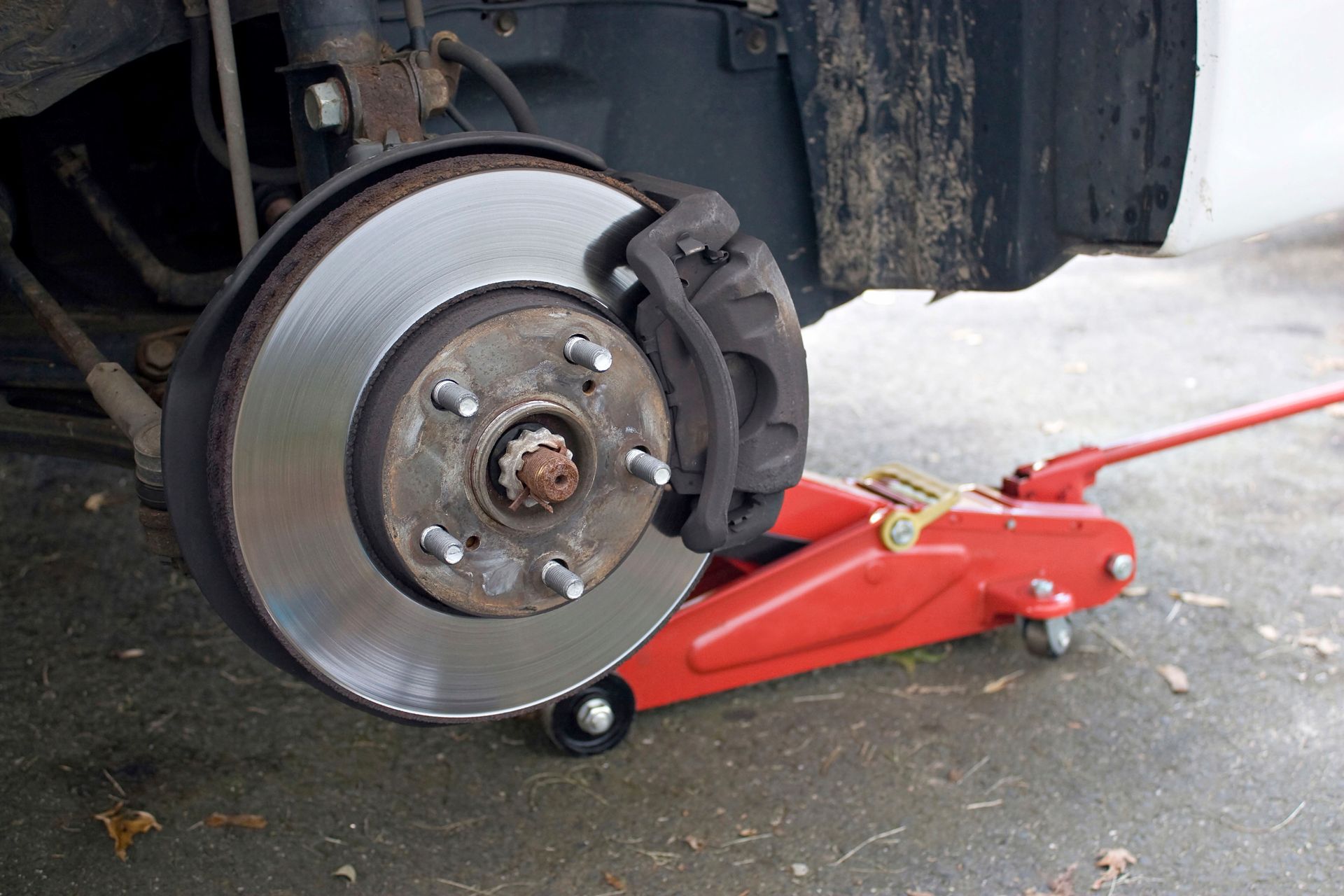
If your vehicle primarily shakes when you apply the brakes, the braking system deserves attention. Brake components experience substantial heat and friction, and certain problems can create noticeable vibrations during deceleration.
For example, a brake rotor that has developed uneven surfaces may cause pulsation as the brake pads press against it. Drivers may feel this vibration through the steering wheel or brake pedal. Other brake components can also contribute to unusual noises or handling changes.
Because braking performance is directly connected to vehicle safety, unusual shaking during braking should not be ignored. A professional technician can inspect the brake system and determine whether service or auto repairs are needed to restore smooth, consistent braking.
Examine Suspension Components
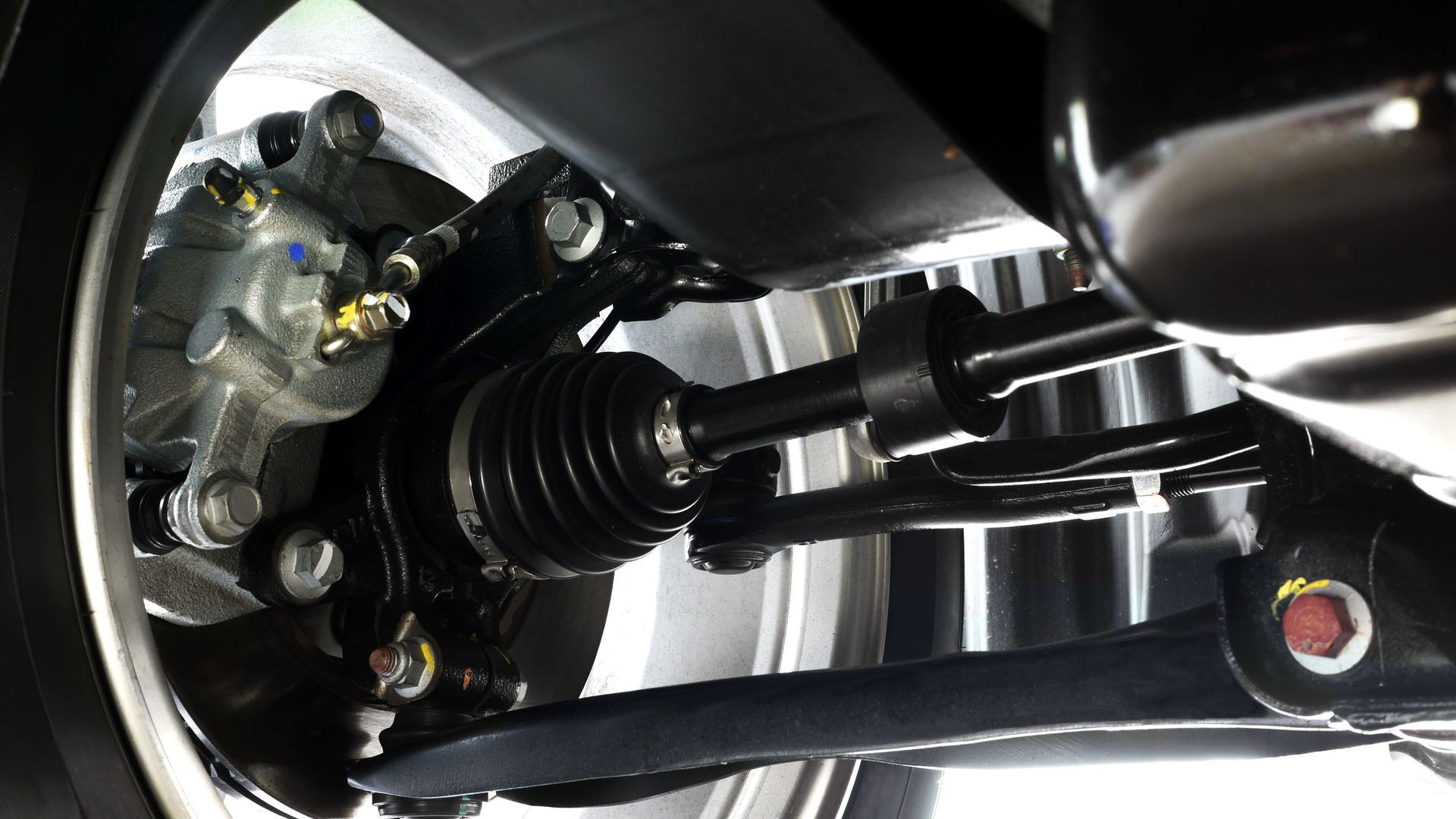
Your vehicle's suspension system helps absorb bumps while keeping the tires connected to the road. Components such as shocks, struts, control arms, bushings, and ball joints can wear over time. When these parts deteriorate, the vehicle may develop vibrations, bouncing, uneven tire wear, or unusual handling.
Suspension-related shaking may become more noticeable when driving over rough roads or going around turns. You may also hear clunking or knocking sounds when components have excessive wear.
A worn suspension component can affect more than ride comfort. Because the suspension influences handling and tire contact with the road, addressing problems promptly is important. Professional auto repairs can help identify worn components and determine which repairs are necessary.
Consider Steering and Drivetrain Issues
Not every vibration comes from the wheels or suspension. Steering and drivetrain components can also create shaking while a vehicle is moving. Problems with tie rods, steering components, axles, or other drivetrain parts may become more noticeable during acceleration, turning, or at specific speeds.
A vibration that occurs primarily when accelerating may point toward a drivetrain-related concern, while shaking that changes when turning could involve steering or suspension components. However, symptoms can overlap, making it difficult to identify the exact cause without a professional inspection.
Rather than replacing parts based only on symptoms, a technician can evaluate the vehicle as a complete system. This approach helps ensure that auto repairs address the underlying cause rather than simply treating one symptom.
Pay Attention to When Shaking Occurs
One of the most useful details you can provide a technician is when the shaking happens. Does it occur when the vehicle is accelerating, braking, turning, idling, or traveling at a particular speed? Does it happen constantly or only occasionally?
For example, shaking that appears primarily at higher speeds may lead a technician to inspect the tires, wheels, and wheel balance. Vibrations that occur during braking may point toward the brake system, while shaking during acceleration could involve drivetrain components.
Paying attention to these patterns can help narrow down the source of the problem. When you bring the vehicle in for auto repairs, explaining exactly when the vibration occurs can give the technician valuable information during the diagnostic process.
Do Not Ignore New Vibrations
A vehicle does not normally need to shake significantly while driving. Even if the vibration seems relatively mild, a new or worsening symptom deserves attention. Continuing to drive with an unresolved mechanical issue can potentially allow wear or damage to progress.
Drivers should be especially attentive if shaking occurs alongside warning lights, unusual noises, reduced braking performance, difficulty steering, or significant changes in handling. These symptoms may indicate a problem that needs prompt professional evaluation.
Routine maintenance can also help catch developing problems before they result in noticeable driving symptoms. Keeping up with inspections, tire rotations, alignment checks, and other manufacturer-recommended services can support the overall condition of the vehicle and reduce the likelihood of unexpected auto repairs.
Schedule Professional Service
Determining why a vehicle is shaking is not always straightforward. Several different components can produce similar symptoms, and a problem in one area may eventually affect another. A professional inspection allows a trained technician to evaluate the tires, wheels, brakes, suspension, steering, and drivetrain to identify the source.
Professional auto repairs can also help prevent a minor issue from developing into a more extensive mechanical problem. Instead of guessing at the cause or continuing to drive while the symptoms worsen, having the vehicle inspected provides a clearer understanding of what needs attention.
Shaking while driving can result from something as simple as a wheel imbalance or uneven tire wear, but it can also indicate concerns involving the brakes, alignment, suspension, steering, or drivetrain. Paying attention to when and how the vibration occurs can provide useful clues, but a professional inspection is often necessary to determine the exact cause.
Regular maintenance, including tire rotations and alignment checks, can also help identify potential problems before they become more disruptive. When your vehicle develops an unusual vibration, timely auto repairs can help restore proper handling, comfort, and reliability.
If your car is shaking while you drive, contact McFarland Automotive today to schedule an inspection and find out what is causing the problem.