May 5, 2026
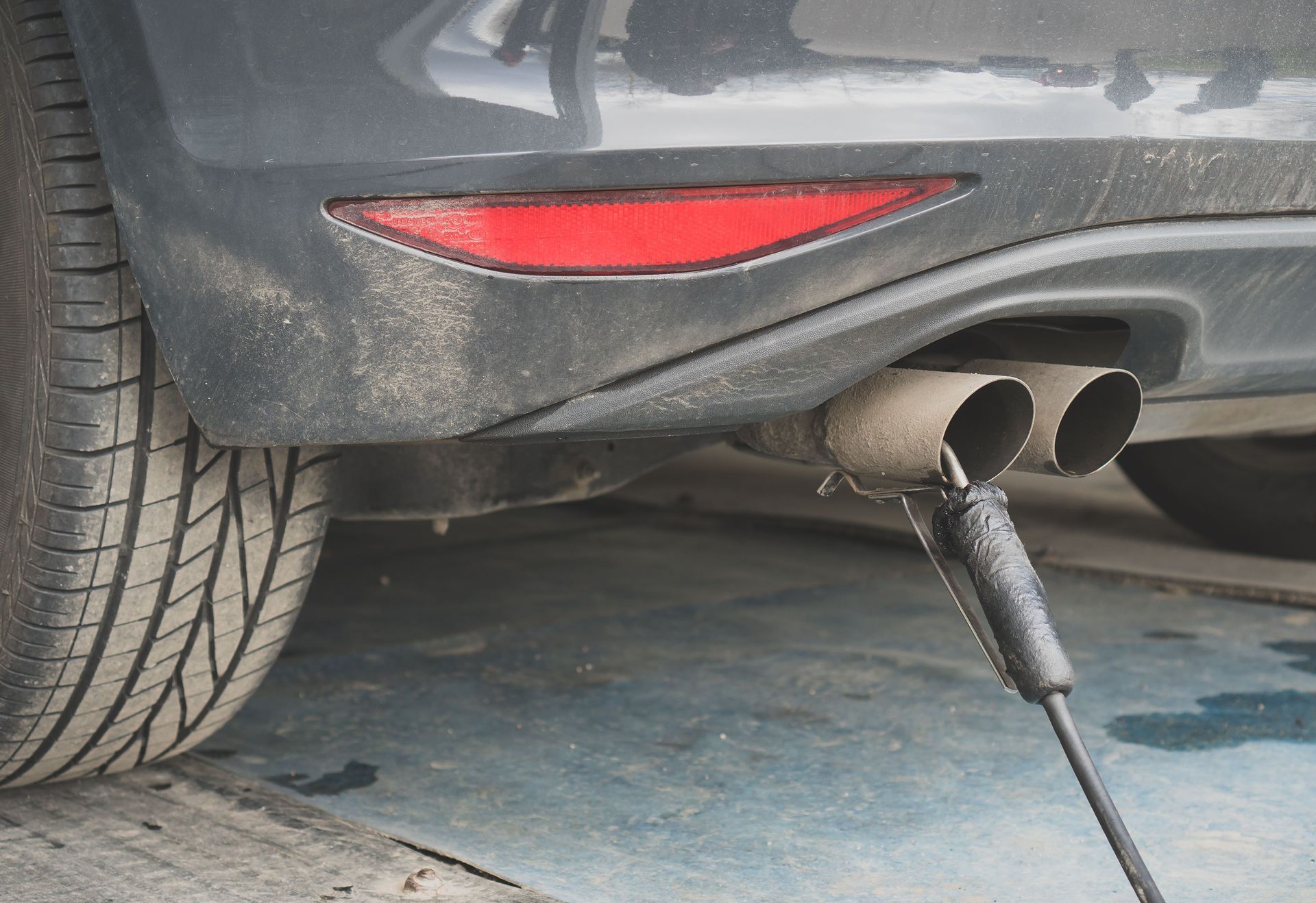
Maintaining a vehicle’s emissions system is essential for both environmental responsibility and overall performance. As regulations continue to evolve, understanding what is evaluated during car emissions testing helps drivers recognize the importance of regular inspections. These tests are designed to measure specific pollutants that vehicles release into the atmosphere, ensuring compliance with environmental standards. By identifying harmful emissions early, drivers can prevent long-term damage to their vehicles and reduce their environmental impact. Professional testing services use advanced diagnostic tools to assess exhaust output with precision. This process supports cleaner air and more efficient vehicle operation. Relying on experts ensures accurate readings and proper interpretation of results. Regular testing also helps identify gradual performance declines that may not be immediately noticeable during everyday driving conditions.
Measuring Carbon Monoxide Levels for Safety Compliance
Carbon monoxide is one of the primary pollutants evaluated during car emissions testing due to its harmful effects on human health. This colorless, odorless gas is produced when fuel does not burn completely in the engine. High levels of carbon monoxide emissions may indicate issues with fuel delivery, ignition timing, or exhaust system components. During testing, professionals measure the concentration of this gas to ensure it remains within acceptable limits. Excessive emissions can signal inefficiencies that impact both performance and safety. Identifying elevated levels early allows technicians to recommend appropriate corrective actions. Monitoring carbon monoxide is essential for protecting both occupants and the environment. Consistent evaluation also helps prevent dangerous buildup that could compromise air quality inside or around the vehicle.
Evaluating Hydrocarbon Emissions for Combustion Efficiency
Hydrocarbons are unburned fuel particles that escape through the exhaust system. These emissions are closely monitored during car emissions testing because they contribute to air pollution and smog formation. High hydrocarbon levels often indicate incomplete combustion within the engine. This can result from worn components, misfires, or fuel system irregularities. Professional testing identifies these issues by analyzing exhaust output under controlled conditions. Addressing hydrocarbon emissions helps improve fuel efficiency and reduce environmental impact. Accurate evaluation ensures that combustion processes are functioning as intended. Reducing these emissions also contributes to smoother engine operation and improved overall reliability.
Analyzing Nitrogen Oxide Output for Environmental Impact
Nitrogen oxides are produced when fuel burns at high temperatures, making them a key focus during car emissions testing. These compounds contribute to the formation of ground-level ozone and acid rain, both of which have significant environmental consequences. Elevated nitrogen oxide levels may indicate problems with the engine’s cooling system or emissions control components. Testing procedures measure these outputs to ensure compliance with regulatory standards. Professional technicians interpret these results to identify potential system inefficiencies. Reducing nitrogen oxide emissions supports cleaner air and healthier communities. Proper maintenance plays a critical role in controlling these pollutants. Consistent monitoring also helps prevent long-term damage to catalytic converters and related systems.
Assessing Carbon Dioxide Emissions for Engine Performance
Carbon dioxide is a natural byproduct of combustion, but its levels can provide valuable insight into engine efficiency. During car emissions testing, technicians evaluate carbon dioxide output to assess how effectively fuel is being burned. Higher levels may indicate efficient combustion, while irregular readings can signal underlying issues. Monitoring this pollutant helps professionals understand overall engine performance. Although carbon dioxide is less immediately harmful than other emissions, it plays a role in environmental concerns such as climate change. Accurate measurement contributes to a comprehensive understanding of vehicle operation. This data helps guide maintenance decisions that improve efficiency. Balanced emissions output reflects a properly functioning engine and optimized fuel use.
Detecting Oxygen Levels for System Balance
Oxygen levels in the exhaust system are another important factor measured during car emissions testing. These readings help determine whether the engine is operating with the correct air-to-fuel ratio. An imbalance can lead to increased emissions and reduced performance. Professional diagnostic tools analyze oxygen content to identify potential issues with sensors or fuel delivery systems. Maintaining the proper ratio ensures efficient combustion and optimal engine function. Detecting irregularities early helps prevent more significant mechanical problems. Oxygen measurement is essential for maintaining system balance and reducing emissions. Proper calibration of these systems contributes to improved drivability and fuel economy.
Inspecting Evaporative Emissions Systems for Fuel Vapor Control
In addition to exhaust pollutants, car emissions testing also evaluates evaporative emissions systems. These systems are designed to capture and contain fuel vapors that would otherwise escape into the atmosphere. Leaks or malfunctions in this system can contribute to increased pollution and reduced efficiency. Professional testing includes checks for proper sealing and system integrity. Identifying issues within the evaporative system helps maintain compliance with environmental standards. Effective vapor control reduces the release of harmful compounds. This aspect of testing ensures that all emission sources are properly managed. Maintaining these systems also helps prevent fuel loss and supports overall system efficiency.
Understanding the Role of Routine Maintenance in Emissions Control
Routine maintenance plays a critical role in ensuring that vehicles pass car emissions testing and operate efficiently. Components such as filters, spark plugs, and sensors must function properly to maintain optimal performance. According to EnduranceWarranty.com, for most modern vehicles that use synthetic oil, you should change it every 5,000 to 7,500 miles, which helps support proper engine function and emissions control. Regular service helps prevent the buildup of contaminants that can affect emissions output. Professional maintenance ensures that all systems work together to minimize environmental impact. Staying on schedule with service intervals supports long-term reliability. This proactive approach reduces the likelihood of failing emissions tests. Preventive care also helps identify worn components before they affect emissions performance.
Ensuring Compliance With Environmental Standards Through Professional Testing
Compliance with emissions regulations is essential for both legal and environmental reasons. Car emissions testing ensures that vehicles meet established standards for pollutant output. Professional testing facilities use calibrated equipment and standardized procedures to deliver accurate results. This ensures that any issues are identified and addressed promptly. Maintaining compliance helps protect air quality and supports community health. Reliable testing also provides peace of mind for vehicle owners. Working with experienced professionals ensures that vehicles remain within acceptable limits. Consistent compliance also helps avoid penalties and supports responsible vehicle ownership.
Recognizing Long-Term Benefits of Emissions Monitoring
Consistent emissions monitoring provides long-term benefits that extend beyond regulatory compliance. Vehicles that undergo regular
car emissions testing tend to operate more efficiently and experience fewer major mechanical issues. Early detection of emission-related problems allows for timely repairs that prevent system-wide failures. This contributes to improved fuel economy and reduced environmental impact over time. Professional oversight ensures that vehicles remain in optimal condition throughout their lifespan. Regular testing also supports better resale value by demonstrating a history of proper maintenance. Investing in emissions monitoring is a practical way to protect both vehicle performance and long-term value.
At McFarland Automotive, we are committed to providing thorough and accurate car emissions testing to help keep your vehicle running efficiently and within regulatory standards. Our experienced team uses advanced diagnostic tools to evaluate every aspect of your emissions system with precision. We take pride in delivering reliable service that helps you maintain performance while reducing environmental impact. Whether you need routine testing or a detailed inspection, we are here to support your vehicle’s long-term health. We also provide clear explanations of your results so you can make informed decisions about your vehicle. Contact McFarland Automotive today to schedule your emissions testing service and ensure your vehicle meets the highest standards for safety and efficiency.