June 27, 2026
Modern vehicles are marvels of engineering, designed to transport passengers at high speeds with incredible efficiency. Among the numerous systems that make this possible, the braking system stands out as the most critical safety feature installed on any car. It is the primary line of defense against accidents, allowing drivers to modulate their speed and react to the unpredictable nature of the road. Neglecting this system is not just a maintenance oversight; it is a significant risk to the safety of everyone inside and outside the vehicle.
Every time you press the brake pedal, a complex sequence of physical and hydraulic events occurs to bring your vehicle to a halt. This process relies on components that are subject to extreme heat, friction, and pressure during every single trip. Over time, these parts naturally wear down, losing their effectiveness and potentially compromising the vehicle's stopping distance. A dedicated annual brake service provides the necessary oversight to ensure these components are replaced or repaired before a dangerous situation arises on the highway.
The Mechanics of Vehicle Stopping Power
The Friction and Hydraulic Process
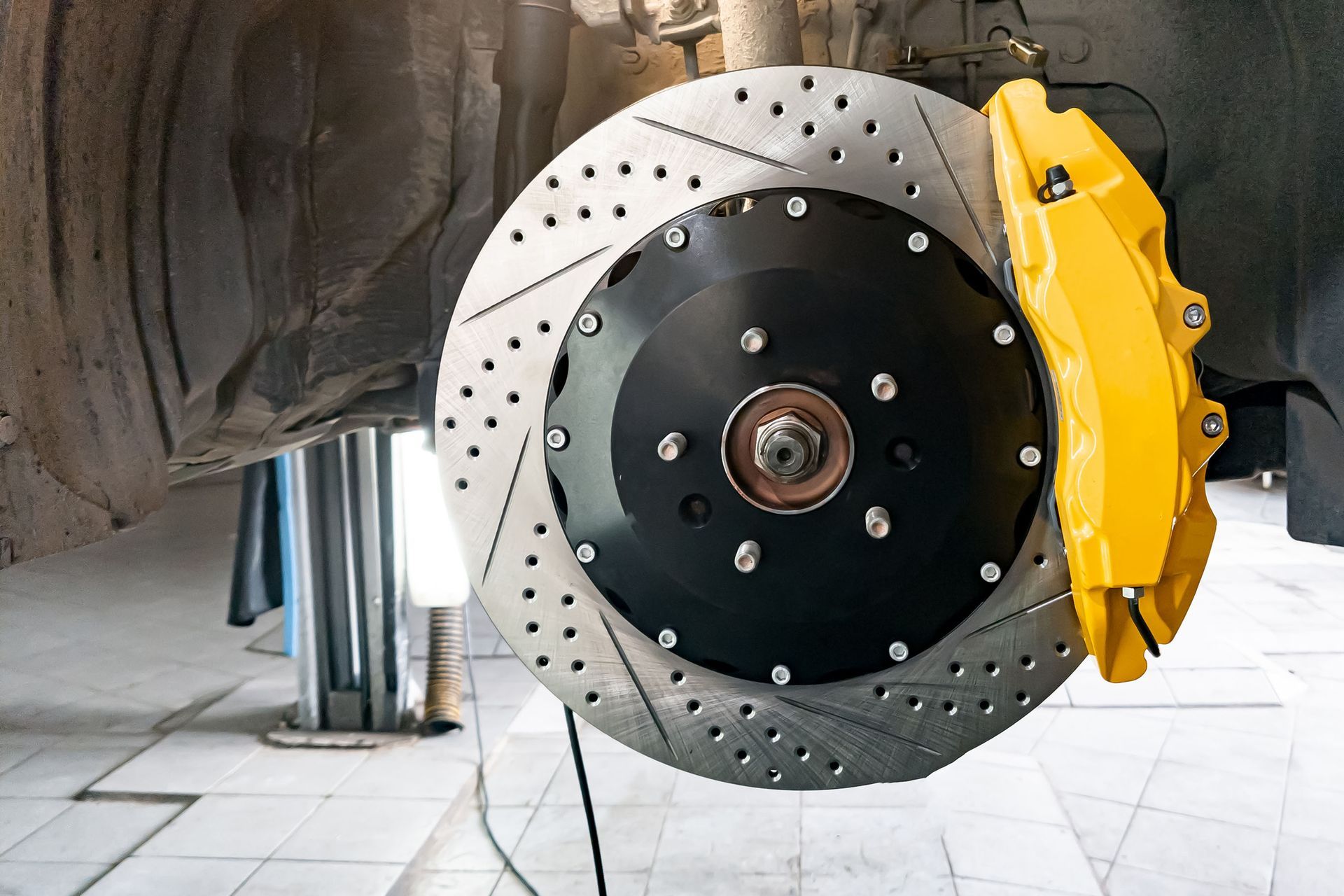
The fundamental principle behind vehicle braking is the conversion of kinetic energy into thermal energy through friction. When the driver engages the pedal, hydraulic fluid is pushed through the lines, forcing the calipers to squeeze the brake pads against the spinning rotors. This interaction creates the resistance needed to slow the wheels, but it also generates an immense amount of heat that can exceed several hundred degrees. The materials used in these components are designed to withstand these temperatures, but they are not indestructible and will inevitably degrade over thousands of miles.
A professional brake service includes a deep look at the rotors to ensure they are not warped or excessively thinned by this heat. Rotors that are out of specification cannot dissipate heat effectively, leading to a dangerous phenomenon known as brake fade. When fade occurs, the friction material loses its ability to grip the metal surfaces, making it significantly harder to stop the vehicle. Regular maintenance ensures that the rotors and pads are always thick enough to handle the thermal loads required for safe operation in all weather conditions.
Hydraulic Integrity and Fluid Health
While the mechanical parts of the system are often the focus, the hydraulic fluid is the lifeblood of the entire assembly. This fluid must be incompressible and have a high boiling point to transmit the force of your foot to the wheels effectively. However, brake fluid naturally attracts and absorbs moisture from the atmosphere over time. This moisture content can lower the fluid's boiling point and cause internal corrosion in the delicate valves of the master cylinder and anti-lock braking system.
During a routine brake service, technicians test the moisture levels in the fluid and recommend a flush when the contamination reaches unsafe levels. This process involves removing the old, degraded fluid and replacing it with fresh fluid that meets the manufacturer's specific standards. Maintaining the chemical integrity of the hydraulic system prevents "spongy" pedal feel and ensures that the pressure applied at the pedal translates directly to stopping power. Without clean fluid, the most expensive pads and rotors in the world cannot perform their jobs correctly.
Diagnostic Standards and Professional Guidelines
Industry Benchmarks for Maintenance
Establishing a consistent schedule for vehicle maintenance can be challenging for drivers who are unsure of when to seek professional help. Industry experts have developed clear guidelines to help motorists stay ahead of potential mechanical failures before they become dangerous. According to Travelers.com, you should have a professional test your brake system and inspect the pads regularly, at least once a year, every 12,000 miles or as recommended by your car’s manufacturer. This baseline ensures that the most vulnerable parts of the car are scrutinized at intervals that account for standard wear and tear.
Following this advice is particularly important for vehicles driven in mountainous terrain or heavy city traffic, where the brakes are used more frequently. These conditions accelerate the thinning of friction materials and the accumulation of heat-related damage to the metal surfaces. A professional technician understands how local driving environments affect these systems and can provide tailored advice on replacement intervals. By adhering to a recognized standard, you remove the guesswork from safety and ensure your vehicle remains compliant with original equipment manufacturer specifications.
The Role of Advanced Diagnostics
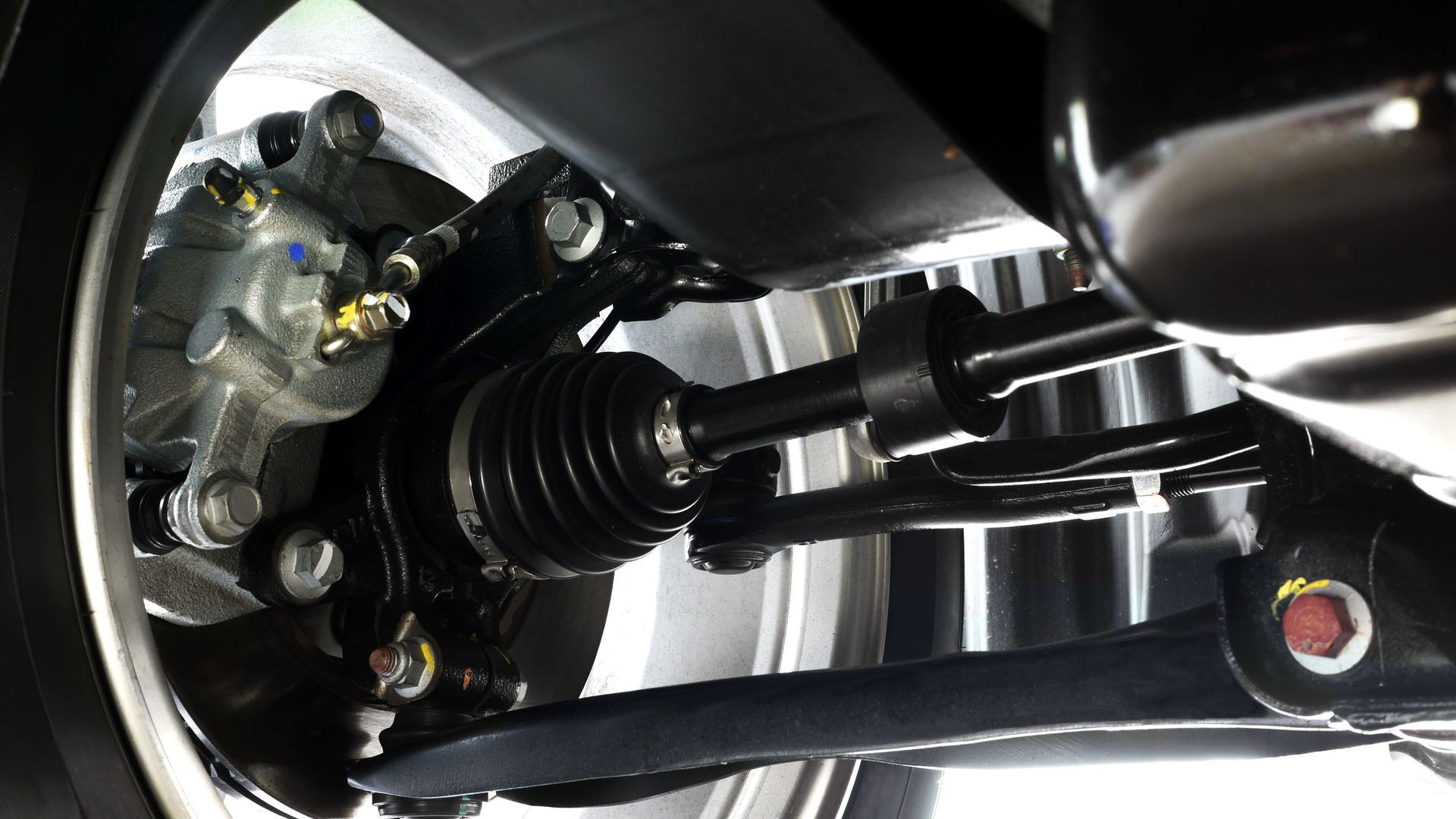
Modern vehicles are equipped with sophisticated electronic aids such as Anti-lock Braking Systems (ABS), Electronic Stability Control (ESC), and emergency braking sensors. These systems rely on a network of sensors located at each wheel to monitor speed and prevent the wheels from locking up during a hard stop. While these features have revolutionized road safety, they also add a layer of complexity that requires certain diagnostic equipment to evaluate. A standard visual check is no longer sufficient to guarantee that the electronic brain of the car is communicating correctly with the mechanical hardware.
A professional brake service utilizes scanning tools to interface with the vehicle's onboard computer, checking for hidden fault codes that might not trigger a dashboard warning light. Technicians can verify that the ABS pump is functioning and that the sensors are providing accurate data to the safety modules. This integration of computer diagnostics and physical inspection ensures that every layer of the vehicle's safety net is active and ready to perform. Neglecting the electronic side of the system can leave a driver vulnerable during an emergency, even if the physical pads appear to have plenty of life left.
Recognizing the Warning Signs of Wear
Audible Cues and Vibrations
Vehicles are often designed to give the driver audible warnings when the friction material on the pads is getting dangerously low. Many pads include a small metal tab known as a wear indicator that creates a high-pitched squealing noise when it makes contact with the rotor. If you hear this sound while driving or braking, it is a clear signal that brake service is needed immediately to prevent damage to the rotors. Ignoring this noise will eventually lead to a grinding sound, which indicates that the friction material is completely gone and metal is rubbing against metal.
Vibrations felt through the steering wheel or the brake pedal are another common indicator of system distress, often pointing to warped rotors. When the rotors are no longer perfectly flat, the pads cannot make consistent contact, causing the vehicle to shudder during deceleration. This pulsation is not just an annoyance; it reduces the efficiency of the stop and can lead to uneven tire wear or damage to the suspension.
Physical Feedback and Pedal Response
The way the brake pedal feels under your foot provides significant insight into the health of the hydraulic lines and the master cylinder. A firm, consistent pedal response is a sign of a healthy system with no air or moisture contamination in the lines. Conversely, a pedal that feels soft, "mushy," or sinks slowly toward the floorboard is a major red flag that indicates a leak or internal seal failure. In some cases, the vehicle may pull to one side when the brakes are applied, suggesting that one caliper is sticking or that hydraulic pressure is not being distributed evenly.
The road is full of unpredictable hazards, from sudden stops in traffic to changing weather conditions that test your car's limits. Having confidence in your ability to stop quickly and safely allows you to focus on the drive rather than worrying about mechanical failure. Do not wait for a warning light or a frightening noise to take action; be proactive and schedule your inspection before the need becomes an emergency. A small investment of time and resources today will pay dividends in safety, performance, and financial stability for many years to come as you travel the open road. For more information, contact McFarland Automotive.